 EN
EN
 NL
NL

Edible oils are sensitive to oxidation. As soon as oil comes into contact with oxygen, changes in smell and taste, discoloration and loss of valuable components such as antioxidants and vitamin E can occur. This applies to a wide range of oils, including olive oil, nut oils, sunflower oil and rapeseed oil. Nitrogen provides an effective solution: the gas displaces oxygen at the stages where the oil is most susceptible to oxidation, from storage and refining to filling and transport.
In a previous blog, we discussed the use of nitrogen in the food industry in general. In this blog, you can read specifically why oxidation occurs in edible oils, how nitrogen is applied and what you should consider, regardless of the type of oil you produce.
Why do edible oils oxidize?
Oils consist largely of fatty acids, some of which are unsaturated. These unsaturated fatty acids react easily with oxygen. This process, also known as autoxidation, occurs more rapidly when:
- the oil contains a high proportion of unsaturated fatty acids;
- the oil is exposed to light, especially UV light;
- the temperature increases;
- traces of metals, such as iron or copper, are present and act as catalysts.
The result is a loss of quality in the form of changes in smell and taste, discoloration and a shorter shelf life. Oxidation is particularly noticeable in cold pressed and unrefined oils, where aromas, antioxidants and other natural components need to be preserved.
Why use nitrogen in edible oil production?
By replacing oxygen with nitrogen at points where oil is susceptible to oxidation, the oxidation process is significantly slowed down. This helps maintain both the quality and shelf life of the oil.
This has a direct impact on:
- a longer shelf life;
- preservation of colour, smell and taste;
- preservation of valuable components such as polyphenols and vitamin E;
- more consistent product quality.
Nitrogen is an inert gas. It does not react with the oil, is colourless, odourless and tasteless, and can therefore safely come into direct contact with the product without changing its composition.
Where is nitrogen used in the oil production process?
Inerting storage tanks and silos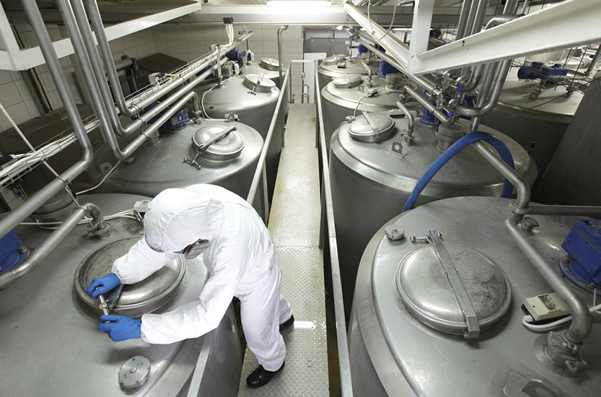
After pressing or refining, oil is often stored for an extended period before it is
processed further or filled. By applying a layer of nitrogen above the oil in the tank
(tank blanketing), the ingress of ambient air is significantly reduced.
This keeps the oxygen level in the tank low, significantly slowing down oxidation
and helping to preserve the quality of the oil.
For large storage tanks and buffer vessels, a nitrogen generator with membrane
technology is often used for this purpose.
Protection during pressing and refining
During process steps such as pressing, bleaching and deodorization, edible oil is particularly susceptible to oxidation.
For cold pressed oils, contact with oxygen during and immediately after pressing is therefore kept to a minimum in order to preserve natural aromas, antioxidants and other valuable components.
The risk of oxidation also increases during bleaching and deodorization because the oil is heated. The oxygen level is therefore kept as low as possible during these process steps, for example by using an inert nitrogen atmosphere or, depending on the production process, nitrogen as a protective or stripping gas. This helps preserve taste, colour and nutritional value.
Protective atmosphere during filling
During the filling of bottles, cans or drums, the air present in the packaging is often replaced with nitrogen before the packaging is sealed. As a result, the headspace contains only a very small amount of oxygen, significantly reducing oxidation after filling and extending the shelf life of the oil.
Protection during transport
During transport in IBCs, drums or tankers, a nitrogen blanket can also be applied above the oil. This keeps the oxygen level low, helping to protect the oil against oxidation even during long transport periods.
Nitrogen for different types of edible oil
The principle behind the use of nitrogen is the same for every edible oil: displacing oxygen at the points where oxidation can occur. However, the level of protection required varies depending on the type of oil. This mainly depends on the fatty acid composition and the degree of refining.
Olive oil
Extra virgin olive oil in particular is sensitive to oxidation. Because this oil is cold pressed and rich in unsaturated fatty acids and polyphenols, protection against oxygen is important to preserve taste, aroma and nutritional value as effectively as possible.
Nut oils
Walnut oil, hazelnut oil and almond oil contain relatively high levels of polyunsaturated fatty acids. As a result, they oxidize more quickly than many other oils. Because nut oils are also often produced in smaller batches, protection during every process step is important.
Seed oils
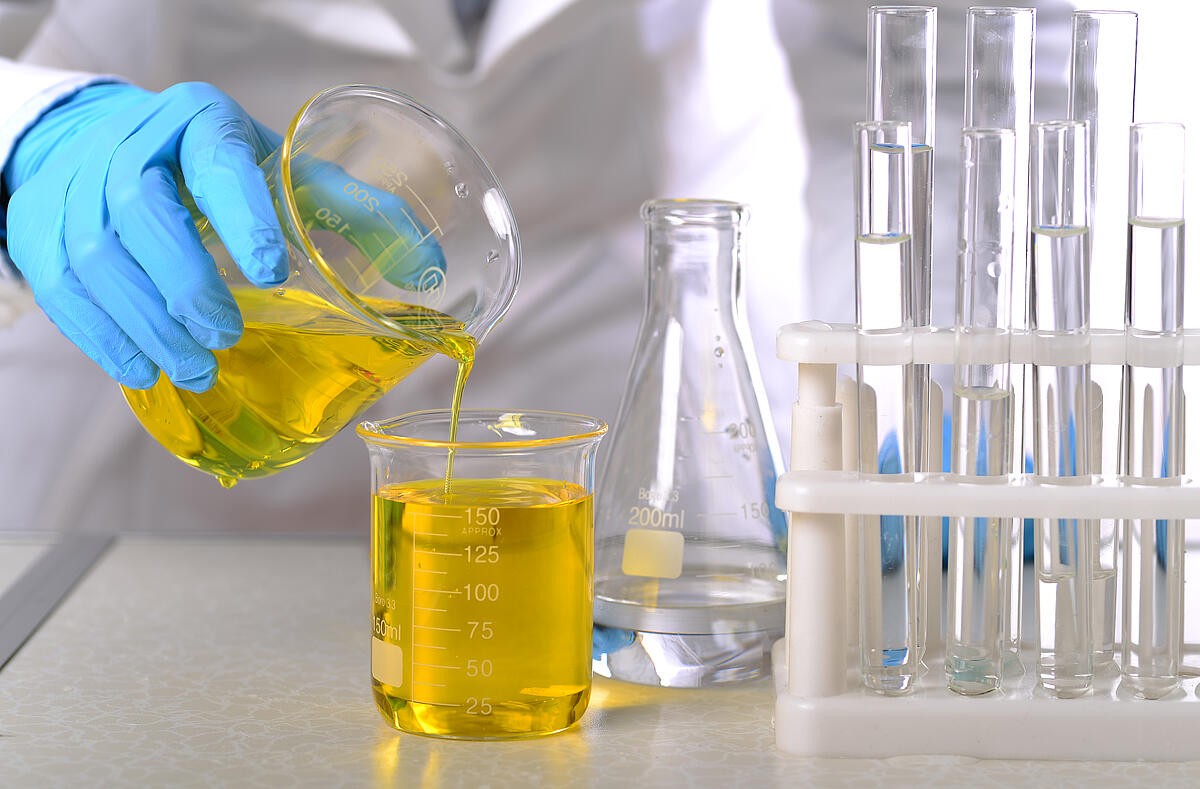
Sunflower oil, rapeseed oil, grapeseed oil, linseed oil and sesame oil are
often produced on a larger scale. For these oils, nitrogen plays a particularly important
role during storage, transport and filling.
Other vegetable oils
For avocado oil, palm oil and other vegetable oils, protection against oxygen also becomes increasingly important as the oil contains more unsaturated fatty acids and is less extensively refined.
Regardless of the type of oil, the approach remains largely the same: nitrogen is applied at the points where the oil can come into contact with air. However, the required level of protection varies depending on the product and process.
What is the difference compared with MAP for other food products?
While many food products use Modified Atmosphere Packaging (MAP) with a mixture of nitrogen and CO₂, edible oils generally use a protective atmosphere consisting of nitrogen.
For solid food products, CO₂ helps inhibit the growth of microorganisms. With edible oil, the main objective is to limit oxidation. In addition, CO₂ is more reactive than nitrogen, making nitrogen more suitable as an inert protective gas for oils.
This protective atmosphere is not only applied during filling, but also during storage and, depending on the production process, during various refining steps. The objective remains the same throughout: to keep oxygen levels as low as possible throughout the entire process chain, significantly reducing oxidation and preserving the quality of the oil.
What nitrogen purity do you need?
Not every application requires the same nitrogen purity. A higher purity does not automatically provide better results and can unnecessarily increase operating costs.
The optimal combination of purity, capacity and working pressure depends on the production process, the desired shelf life and the sensitivity of the specific oil.
How is nitrogen produced on site?
A nitrogen generator produces nitrogen from ambient air using membrane technology or PSA technology (Pressure Swing Adsorption).
Membrane technology
Membrane generators are widely used for inerting storage tanks and other applications where a medium nitrogen purity is sufficient. The technology is energy efficient, requires little maintenance and continuously produces nitrogen.
PSA technology
When a higher nitrogen purity is required, PSA technology is often selected. PSA is regularly used for oxygen sensitive food products, including high quality edible oils. The most suitable technology depends on the required nitrogen purity, the required flow rate and the requirements of the production process.
What should you consider?
Gas quality 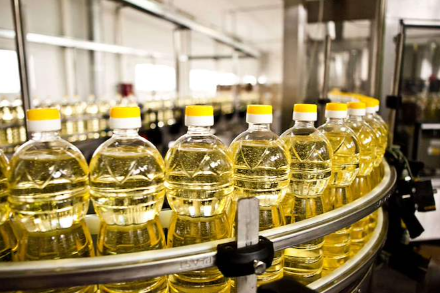
When nitrogen comes into direct contact with edible oil, it must be suitable for applications in the food industry and free from unwanted contaminants.
Continuity of the gas supply
An interruption to the nitrogen supply can result in quality loss or production downtime.
With an on site nitrogen generator, nitrogen is continuously available without dependence
on external deliveries.
Correct sizing
The required capacity, working pressure and nitrogen purity vary by application. A correctly sized system prevents both excess capacity and insufficient protection.
Nitrogen for your oil production process at Avilo
Avilo specializes in Food Grade nitrogen and compressed air systems for the food industry. Avilo advises on the right nitrogen solution for every process step, from storage and refining to filling and transport. This includes not only the required nitrogen purity, but also capacity, energy consumption and operational reliability.
Would you like to know what nitrogen could mean for your production process? Please contact Avilo for a consultation or a targeted cost estimate.